

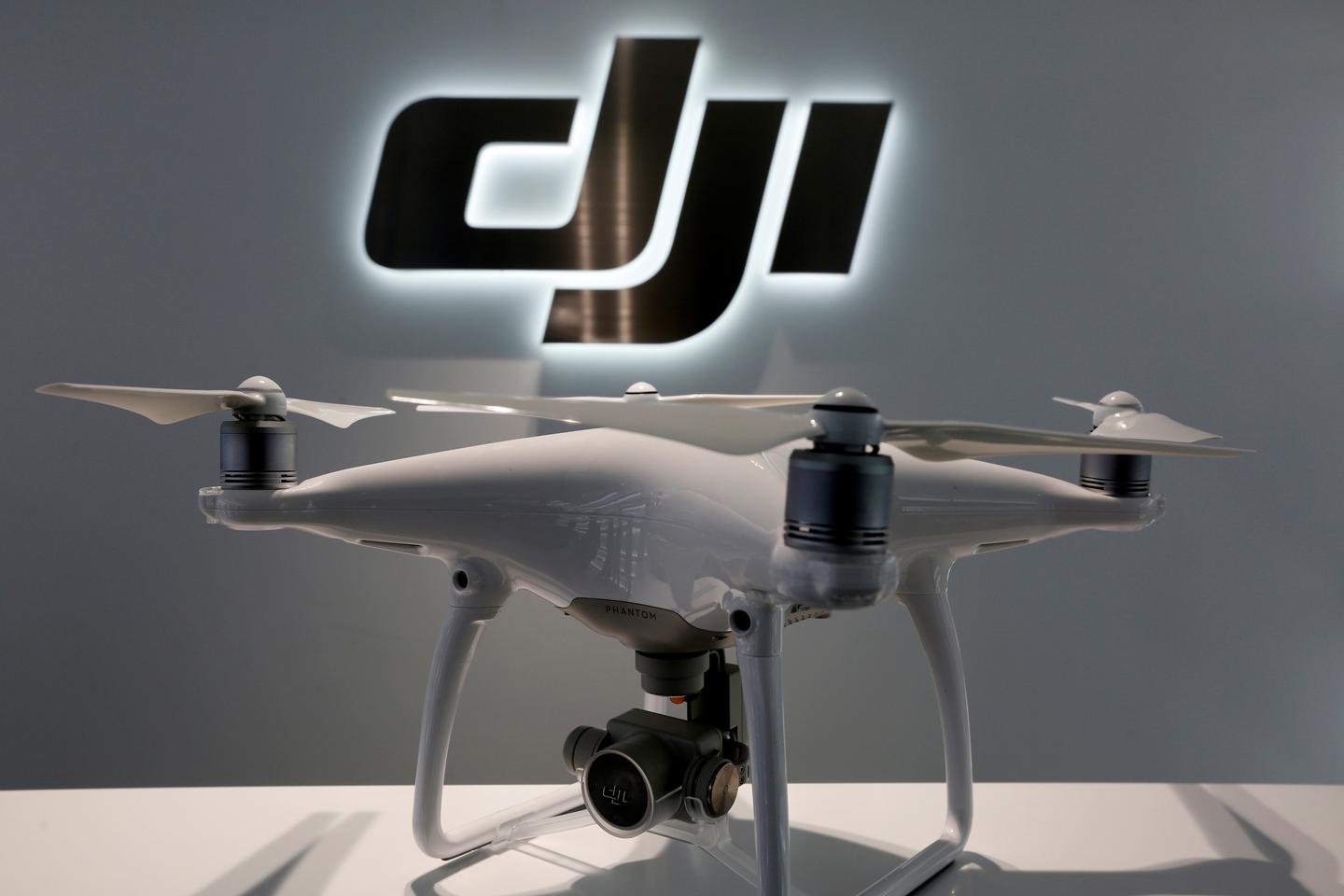
On November 17, 2025, the news that “DJI has invested in a 3D printing company” caused a stir in the tech circle. According to exclusive information from Jiemian News, DJI, a domestic drone giant, has confirmed a strategic investment in a consumer-grade 3D printing enterprise. This move not only unveils another forward-looking layout of DJI in the field of “hard technology” but also draws public attention back to the rapidly heating up 3D printing track. As the global market scale surges at an annual compound growth rate of 18.5% and consumer demand leaps from “geek toys” to “public tools”, this industrial revolution driven by technology, capital, and scenarios is welcoming a new variable: the in-depth empowerment of AI.
I. DJI’s Entry: The “Catfish Effect” in Consumer-Grade 3D Printing
DJI’s entry into the 3D printing field is no accident. As a global tech leader labeled with “innovative technology”, its focus on 3D printing has long been traceable. In the official response to this investment, DJI clearly stated that it values “the development potential of consumer-grade 3D printing technology” and “the industry’s growth prospects”.
From the perspective of the industry’s fundamentals, the logic supporting this judgment is clear: According to data from Precedence Research, the global 3D printing market scale had reached 24.61 billion US dollars (approximately 170 billion yuan) in 2024. The consumer-grade market has become the fastest-growing segment due to the boom in overseas e-commerce, the rise of maker culture, and the penetration of educational scenarios. Chinese brands such as Shenzhen Creality 3D and Bambu Lab have gained a dominant position in the global market by virtue of their supply chain advantages and high cost performance. Among them, Bambu Lab, with an annual revenue of 5.5-6 billion yuan and a net profit margin of over 30%, is regarded as a “DJI-system unicorn”.
However, DJI’s ambition goes beyond financial investment. Insiders revealed that the investment agreement includes special clauses targeting Bambu Lab, implying that the competitive relationship between the two parties may escalate. DJI’s entry is like throwing a “catfish” into the fast-moving track: its profound motion control algorithms, experience in vertical supply chain integration, and ultimate pursuit of user experience may accelerate the evolution of consumer-grade 3D printing from “usable” to “easy to use” and “user-friendly”.
II. New Trend of Technology Integration: The “Intelligent Revolution” of 3D Printing + AI
While DJI, which excels in hardware and ecology, stirs up the consumer-grade market, another silent technological revolution is taking place – the in-depth integration of 3D printing and AI is reconstructing the underlying logic of the industry.
In the A-share market, Winner Technology Co., Ltd. (300609.SZ) took the lead in completing this technological puzzle. This enterprise, with artificial intelligence and big data at its core, officially entered the 3D printing track in 2025 by holding a controlling stake in Jinshi 3D, a domestic leading 3D printing company, and quickly injected AI capabilities into the entire industrial chain.
Jinshi 3D already has the full-chain capabilities of “equipment + materials + software + services”, covering all process routes such as SLA and SLM, and serving high-end fields such as aerospace and medical care. The addition of Winner Technology has equipped it with an “intelligent brain”:
- On the production side, AI algorithms optimize the printing path, reducing material waste by more than 30%; real-time adjustment of parameters such as laser power and temperature improves printing accuracy to the micrometer level.
- On the design side, combined with text and image generation models, users can automatically generate printable 3D models by inputting “cute pet ornaments”, lowering the modeling threshold from “professional software” to “mobile phone photography”.
- On the service side, through sensors and AI monitoring systems, the platform can predict equipment failures, optimize order scheduling, and even provide “one-click dispatch” services for 3D printing farms.
More importantly, Winner Technology has built a closed-loop ecosystem of “creativity generation – model transaction – intelligent production”: designers upload models to its maker platform, and after users place orders online, the platform automatically matches the optimal printing resources to achieve “what you think is what you get”. This “AI + 3D printing” model not only lowers the threshold for personalized manufacturing but also accelerates the penetration of 3D printing from B-end industrial tools to C-end life scenarios.

III. The Landscape of the Industrial Chain: Who is Seizing the Opportunity of “Dual-Drive”?
DJI’s capital move and Winner Technology’s technology integration reflect the dual opportunities in the 3D printing track: hardware upgrading and software intelligence.
- Upstream equipment and materials: Enterprises such as Bright Laser Technologies (688333.SH) and Farsoon Technologies (688433.SH) have not clearly laid out AI, but as leaders in metal/polymer material printing, their technological accumulation remains the cornerstone of the industry.
- Midstream platforms and services: Winner Technology has occupied the high ground of “intelligent service platforms” through Jinshi 3D and AI empowerment; while unlisted enterprises such as Creality 3D and Anycubic continue to expand their market share relying on their overseas channel advantages.
- Downstream application scenarios: Customized implants in the medical field, 3D printing courses in classrooms in the education field, personalized hand-made figures in the cultural and creative field… The combination of AI and 3D printing has turned these scenarios from “niche needs” into “accessible to the public”.
However, not all participants can share the dividends. If small and medium-sized manufacturers fail to keep up with technological iterations (such as high-speed FDM and multi-color printing) or lack differentiated capabilities empowered by AI, they may be eliminated in the competition. The increase in industry concentration has become an inevitable trend.
IV. Future Outlook: From “Manufacturing Tool” to “Innovation Engine”
DJI’s investment and Winner Technology’s technology integration together point to a conclusion: 3D printing is upgrading from a “supplementary manufacturing method” to an “innovation-driven engine”.
For DJI, 3D printing may become a new piece of its “hardware ecosystem” – from drones to robots, the demand for rapid customization of precision parts may be solved through its own 3D printing capabilities. For Winner Technology, the combination of AI and 3D printing opens up the imagination space of “intelligent manufacturing”: when every family can design and print exclusive items through mobile phones, and when factories can produce small-batch customized products at lower costs, the imagination boundary of this technological revolution is far from reaching the end.
Of course, risks still need to be vigilant: technology substitution risks (such as industrial-grade printing squeezing the consumer-grade market space), supply chain fluctuations (core components relying on imports), policy supervision (intellectual property rights and material safety), etc. But as Wang Tao, the founder of DJI, said: “The track we choose must be one that can change the world.” The integration of 3D printing and AI may be exactly such a starting point for “changing the world”.







Yo, golo777 is my go-to spot! Quick payouts and the slots are fire. Definitely recommend checking it out. golo777
pin77 app https://www.pin77.tech
pagcor https://www.ngpagcor.net
nustar online https://www.etnustar-online.com
bk8casino https://www.bk8casinovs.com
bet777app https://www.bet777appv.org
phtaya 63 https://www.phtaya-63.org
phtaya1 https://www.phtaya1.org
slotphlogin https://www.exslotphlogin.net
jiliokcc https://www.jiliokccw.com
peryaplus https://www.rsperyaplus.net
philucky https://www.usphilucky.org
okebet168 https://www.okebet168u.org
phwin25 https://www.phwin25g.net
bj3888… I like the sound of that number! Maybe it’s my lucky number. Time to explore what bj3888 has to offer. Hope I can hit the jackpot! bj3888
x7777appdownload… that’s a lot of sevens! Hoping this app is easy to download and even easier to win on. Time to give it a shot! Download, install, win! x7777appdownload
99boncasino looks pretty slick! Lots of different games to choose from so easy to find something that is to your taste. I’d suggest looking at 99boncasino
Winplus Philippines: Best Slot Online & Casino Link. Easy Winplus Login, Register & Download APK. Winplus Philippines: The best slot online and casino link. Experience easy Winplus login and Winplus register. Winplus download APK now for non-stop casino action! visit: winplus
[178]Newjili Login & Register: Best PH Casino Slot Games & Official App Download Experience the ultimate gaming at Newjili, the top PH casino! Complete your Newjili register to play premium Newjili slot games. Use Newjili login or Newjili casino login for secure access. Secure your Newjili app download and start winning big today! visit: newjili
[8149]18jl Online Casino Philippines: Login, Slots & App Download Experience the best gaming at 18jl Online Casino Philippines. Secure your 18jl login, play top-rated slots, and download the app for mobile betting. Join us today! visit: 18jl
Looking for some action? 333bet2 is where it’s happening, mate! Get amongst it. Find it here: 333bet2
Neu 88, I’m hooked on this site neu 88! I’ve been playing for days!
gamebatpkr is the only thing keeping me sane right now haha. Gotta try my luck!
путь к богатству Это авторский проект, посвящённый саморазвитию, финансовой грамотности и личным размышлениям о пути к успеху и благосостоянию.
Типография Типография, как искусство формирования печатного слова, стоит у истоков распространения знаний, превращая идеи в осязаемые страницы, где каждая буква и каждый пробел имеют значение.
Stackshine https://en.stackshine.io simplifies SaaS spend management with full software visibility, renewal tracking, and employee offboarding automation. Reduce costs, eliminate unused tools, and gain control over subscriptions with a smarter, centralized platform.
Stackshine https://en.stackshine.io simplifies SaaS spend management with full software visibility, renewal tracking, and employee offboarding automation. Reduce costs, eliminate unused tools, and gain control over subscriptions with a smarter, centralized platform.
Stackshine Free Demo – Get Started simplifies SaaS spend management with full software visibility, renewal tracking, and employee offboarding automation. Reduce costs, eliminate unused tools, and gain control over subscriptions with a smarter, centralized platform.
Stackshine https://en.stackshine.io simplifies SaaS spend management with full software visibility, renewal tracking, and employee offboarding automation. Reduce costs, eliminate unused tools, and gain control over subscriptions with a smarter, centralized platform.
Stackshine https://en.stackshine.io simplifies SaaS spend management with full software visibility, renewal tracking, and employee offboarding automation. Reduce costs, eliminate unused tools, and gain control over subscriptions with a smarter, centralized platform.
Stackshine https://en.stackshine.io simplifies SaaS spend management with full software visibility, renewal tracking, and employee offboarding automation. Reduce costs, eliminate unused tools, and gain control over subscriptions with a smarter, centralized platform.
Stackshine https://en.stackshine.io simplifies SaaS spend management with full software visibility, renewal tracking, and employee offboarding automation. Reduce costs, eliminate unused tools, and gain control over subscriptions with a smarter, centralized platform.
Stackshine https://en.stackshine.io simplifies SaaS spend management with full software visibility, renewal tracking, and employee offboarding automation. Reduce costs, eliminate unused tools, and gain control over subscriptions with a smarter, centralized platform.
Stackshine https://en.stackshine.io simplifies SaaS spend management with full software visibility, renewal tracking, and employee offboarding automation. Reduce costs, eliminate unused tools, and gain control over subscriptions with a smarter, centralized platform.
Stackshine https://en.stackshine.io simplifies SaaS spend management with full software visibility, renewal tracking, and employee offboarding automation. Reduce costs, eliminate unused tools, and gain control over subscriptions with a smarter, centralized platform.
Stackshine https://en.stackshine.io simplifies SaaS spend management with full software visibility, renewal tracking, and employee offboarding automation. Reduce costs, eliminate unused tools, and gain control over subscriptions with a smarter, centralized platform.
Stackshine https://en.stackshine.io simplifies SaaS spend management with full software visibility, renewal tracking, and employee offboarding automation. Reduce costs, eliminate unused tools, and gain control over subscriptions with a smarter, centralized platform.
Stackshine AI-Platform simplifies SaaS spend management with full software visibility, renewal tracking, and employee offboarding automation. Reduce costs, eliminate unused tools, and gain control over subscriptions with a smarter, centralized platform.
Stackshine https://en.stackshine.io simplifies SaaS spend management with full software visibility, renewal tracking, and employee offboarding automation. Reduce costs, eliminate unused tools, and gain control over subscriptions with a smarter, centralized platform.
Stackshine https://en.stackshine.io simplifies SaaS spend management with full software visibility, renewal tracking, and employee offboarding automation. Reduce costs, eliminate unused tools, and gain control over subscriptions with a smarter, centralized platform.
Stackshine AI Platform simplifies SaaS spend management with full software visibility, renewal tracking, and employee offboarding automation. Reduce costs, eliminate unused tools, and gain control over subscriptions with a smarter, centralized platform.
Stackshine https://en.stackshine.io simplifies SaaS spend management with full software visibility, renewal tracking, and employee offboarding automation. Reduce costs, eliminate unused tools, and gain control over subscriptions with a smarter, centralized platform.
Stackshine https://en.stackshine.io simplifies SaaS spend management with full software visibility, renewal tracking, and employee offboarding automation. Reduce costs, eliminate unused tools, and gain control over subscriptions with a smarter, centralized platform.
Stackshine https://en.stackshine.io simplifies SaaS spend management with full software visibility, renewal tracking, and employee offboarding automation. Reduce costs, eliminate unused tools, and gain control over subscriptions with a smarter, centralized platform.
Stackshine Platform simplifies SaaS spend management with full software visibility, renewal tracking, and employee offboarding automation. Reduce costs, eliminate unused tools, and gain control over subscriptions with a smarter, centralized platform.
Stackshine Free Demo – Get Started simplifies SaaS spend management with full software visibility, renewal tracking, and employee offboarding automation. Reduce costs, eliminate unused tools, and gain control over subscriptions with a smarter, centralized platform.
Stackshine https://en.stackshine.io simplifies SaaS spend management with full software visibility, renewal tracking, and employee offboarding automation. Reduce costs, eliminate unused tools, and gain control over subscriptions with a smarter, centralized platform.
Stackshine https://en.stackshine.io simplifies SaaS spend management with full software visibility, renewal tracking, and employee offboarding automation. Reduce costs, eliminate unused tools, and gain control over subscriptions with a smarter, centralized platform.
Stackshine https://en.stackshine.io simplifies SaaS spend management with full software visibility, renewal tracking, and employee offboarding automation. Reduce costs, eliminate unused tools, and gain control over subscriptions with a smarter, centralized platform.
Stackshine https://en.stackshine.io simplifies SaaS spend management with full software visibility, renewal tracking, and employee offboarding automation. Reduce costs, eliminate unused tools, and gain control over subscriptions with a smarter, centralized platform.
Stackshine https://en.stackshine.io simplifies SaaS spend management with full software visibility, renewal tracking, and employee offboarding automation. Reduce costs, eliminate unused tools, and gain control over subscriptions with a smarter, centralized platform.
Stackshine https://en.stackshine.io simplifies SaaS spend management with full software visibility, renewal tracking, and employee offboarding automation. Reduce costs, eliminate unused tools, and gain control over subscriptions with a smarter, centralized platform.
Stackshine AI-Platform simplifies SaaS spend management with full software visibility, renewal tracking, and employee offboarding automation. Reduce costs, eliminate unused tools, and gain control over subscriptions with a smarter, centralized platform.
Stackshine https://en.stackshine.io simplifies SaaS spend management with full software visibility, renewal tracking, and employee offboarding automation. Reduce costs, eliminate unused tools, and gain control over subscriptions with a smarter, centralized platform.
Stackshine https://en.stackshine.io simplifies SaaS spend management with full software visibility, renewal tracking, and employee offboarding automation. Reduce costs, eliminate unused tools, and gain control over subscriptions with a smarter, centralized platform.
Stackshine Platform simplifies SaaS spend management with full software visibility, renewal tracking, and employee offboarding automation. Reduce costs, eliminate unused tools, and gain control over subscriptions with a smarter, centralized platform.
Stackshine https://en.stackshine.io simplifies SaaS spend management with full software visibility, renewal tracking, and employee offboarding automation. Reduce costs, eliminate unused tools, and gain control over subscriptions with a smarter, centralized platform.
Stackshine https://en.stackshine.io simplifies SaaS spend management with full software visibility, renewal tracking, and employee offboarding automation. Reduce costs, eliminate unused tools, and gain control over subscriptions with a smarter, centralized platform.
Stackshine https://en.stackshine.io simplifies SaaS spend management with full software visibility, renewal tracking, and employee offboarding automation. Reduce costs, eliminate unused tools, and gain control over subscriptions with a smarter, centralized platform.
Stackshine https://en.stackshine.io simplifies SaaS spend management with full software visibility, renewal tracking, and employee offboarding automation. Reduce costs, eliminate unused tools, and gain control over subscriptions with a smarter, centralized platform.
single office for rent small office for lease
nyc office space for lease https://offices-rent-nyc.com
rent nyc office office space new york
rent business space nyc office space manhattan
nyc office space for rent https://offices-rent-nyc.com
rent office new york https://offices-rent-nyc.com
rent office space nyc https://offices-rent-nyc.com
offices in new york commercial space rent new york
office space in new york city https://offices-rent-nyc.com
office rental nyc https://offices-rent-nyc.com
nyc offices https://offices-rent-nyc.com
office space in new york nyc office rental
rent office new york office space rental
rent office space https://offices-rent-nyc.com
nyc office suites lease a office space
rent nyc office https://offices-rent-nyc.com
nyc office https://offices-rent-nyc.com
office space in new york city https://offices-rent-nyc.com
nyc rent office space https://offices-rent-nyc.com
rent office space nyc office in new york city
new york office space office leases
new york rent office space headquarters nyc
nyc office suites https://offices-rent-nyc.com
nyc office rental nyc rent office space
office in new york https://offices-rent-nyc.com
office space in nyc office in new york
office space available personal office space for rent
Профессиональная: антигравийная защита пленкой – сохраните родное лакокрасочное покрытие в идеальном состоянии на долгие годы.
Профессиональная: антигравийная защита пленкой – сохраните родное лакокрасочное покрытие в идеальном состоянии на долгие годы.
Профессиональная: обклейка авто пленкой – сохраните родное лакокрасочное покрытие в идеальном состоянии на долгие годы.
Профессиональная: оклейка авто полиуретановой пленкой – сохраните родное лакокрасочное покрытие в идеальном состоянии на долгие годы.
Профессиональная: оклейка авто полиуретановой пленкой – сохраните родное лакокрасочное покрытие в идеальном состоянии на долгие годы.
Нужны заклепки? заклепка вытяжная прочный крепеж для соединения деталей. Алюминиевые, стальные и нержавеющие варианты. Надежность, долговечность и удобство монтажа для различных задач и конструкций.