CNC machining service
DTSANSE offers a comprehensive range of metal & plastic CNC machining solutions from rapid prototyping to mass production. With over 50 sets of CNC Milling (3-axis & 5-axis) , CNC Turning, EDM, and Wire Cutting machines, our in-house capacity ensures your requirements are satisfied, with our multi-variety and small batch service mode.
CNC Guidebook
Why Choose DTSANSE for Your CNC Machining Projects?
DTSANSE Machining Capabilities
Superior Flexibility & Speed
Industry-Leading Cost Savings
Quality You Can Trust
What is CNC Machining?
CNC machining, or Computer Numerical Control machining, is a subtractive manufacturing process widely used across various industries. It excels at creating high-precision and complex parts from a solid block of material, ideal for applications requiring high accuracy, such as aerospace components, medical devices, and intricate molds.
CNC programs guarantee consistent part production across batches. This minimizes human error and ensures every component meets your exact specifications, crucial for high-volume manufacturing and maintaining quality control.
CNC machines can handle a wide range of materials, from traditional metals like aluminum, steel, and titanium to engineering plastics, composites, and even wood. This allows you to select the material that best suits your project's needs in terms of strength, weight, and functionality.
CNC Machining Processes
Improve the mechanical properties and aesthetic features of your SLS 3D-printed parts with these post-processing options.


CNC Machining Tolerance Considerations
| Feature | Standard | Advanced Option | Notes |
|---|---|---|---|
Tolerance | ±0.005" (±0.127mm) | ±0.0005" (±0.0127mm) | Tolerances will be held to +/-.005"(+/-.127mm) in accordance with ISO 2768 unless otherwise specified. |
Surface Roughness (Ra) | 125uin (3.2μm) | Up to 16uin (0.4μm) | Surface roughness will be held to 125uin/3.2um Ra unless otherwise specified. |
Lead Time | 7-12 days | Contact us for advanced options. | Get an instant quoteto see the lead time. |
Accepted File Formats | 3D: STEP, STP, IGS 2D drawings: DWG, DXF, PDF | Contact us for specifics. | Delivery time may be 2-3 days longer if only 2D drawings are provided. |
Machining Techniques | Milling, Turning, Routing, Drilling, Grinding, EDM, Wire EDM | 3 aixs, 4 axis, 5 axis machining | Wide range of capabilities, inquire for specifics. |
Inspection | Standard Report (Free) | CMM Inspection or Third Party Inspection (Fee Required) | Free standard report, additional options available. |

CNC Machining: Pros and Cons
Advantages of CNC Machining
Rapid Prototyping: CNC machining is ideal for creating rapid prototypes, allowing for quick design iterations and testing before mass production. This reduces development time and costs.
High Precision and Repeatability: CNC machines achieve exceptional accuracy and consistency, essential for complex parts and tight tolerances. This translates to reliable performance and efficient assembly in the final product.
Wide Range of Materials: CNC machining can handle a vast array of materials, from soft plastics to high-strength steels and exotic alloys. This versatility allows for the creation of parts with the optimal properties for each application.
Complex Geometry Manufacturing: CNC machining excels at creating intricate shapes and features that would be difficult or impossible with traditional machining methods. This opens up design possibilities and allows for more functional and innovative parts.
Automation and Efficiency: CNC machines are computer-controlled, enabling unattended operation and reducing human error. This leads to increased production speed, lower labor costs, and consistent quality output.
Challenges of CNC Machining
High Initial Investment: CNC machines can be expensive, especially for high-precision models with advanced capabilities. This initial investment cost can be a barrier for smaller companies.
Programming Complexity: Programming CNC machines requires specialized knowledge and expertise. This can lead to challenges for companies without skilled personnel or the resources to acquire training.
Material Waste: The machining process often generates scrap material, especially when creating complex shapes. This can be a concern for both material costs and environmental impact.
Limited Production Volume: While CNC machining can be automated, it's not always suitable for high-volume production due to potential setup times and limitations on machining speed compared to high-speed stamping or injection molding for simpler parts.
Tooling Costs: Depending on the complexity of the part, specialized tooling might be required for CNC machining. These tools can add to the overall production cost.
CNC Machining Applications
Improve the mechanical properties and aesthetic features of your SLS 3D-printed parts with these post-processing options.
Automotive Industry
From high-performance engine components like pistons and valves crafted from lightweight yet robust materials, to intricate transmission parts, CNC machining delivers exceptional precision and repeatability.


Electronics
From intricate heat sinks for cooling to precise connectors and circuit board prototypes, CNC machining empowers miniaturization, functionality, and performance in electronics.
Robotics
CNC machining enables the creation of lightweight yet strong robotic arms, grippers, and high-precision components, driving the development of next-generation robots.


Glass-filled Nylon
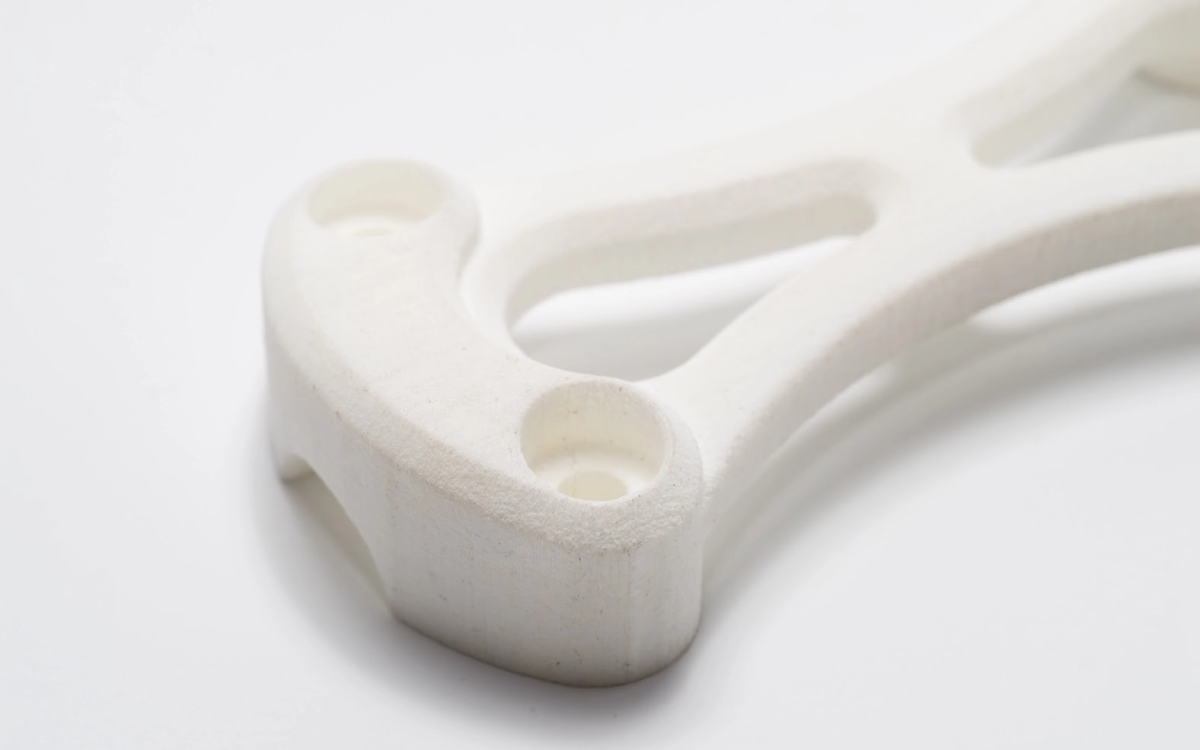
Nylon 12 (PA 12) glass-filled is a type of nylon/polyamide powder that has beenreinforced with glass fibers. Compared to the Nylon PA12, this has enhancedcompressive strength with improved heat distortion temperature.
CNC Machining Factory
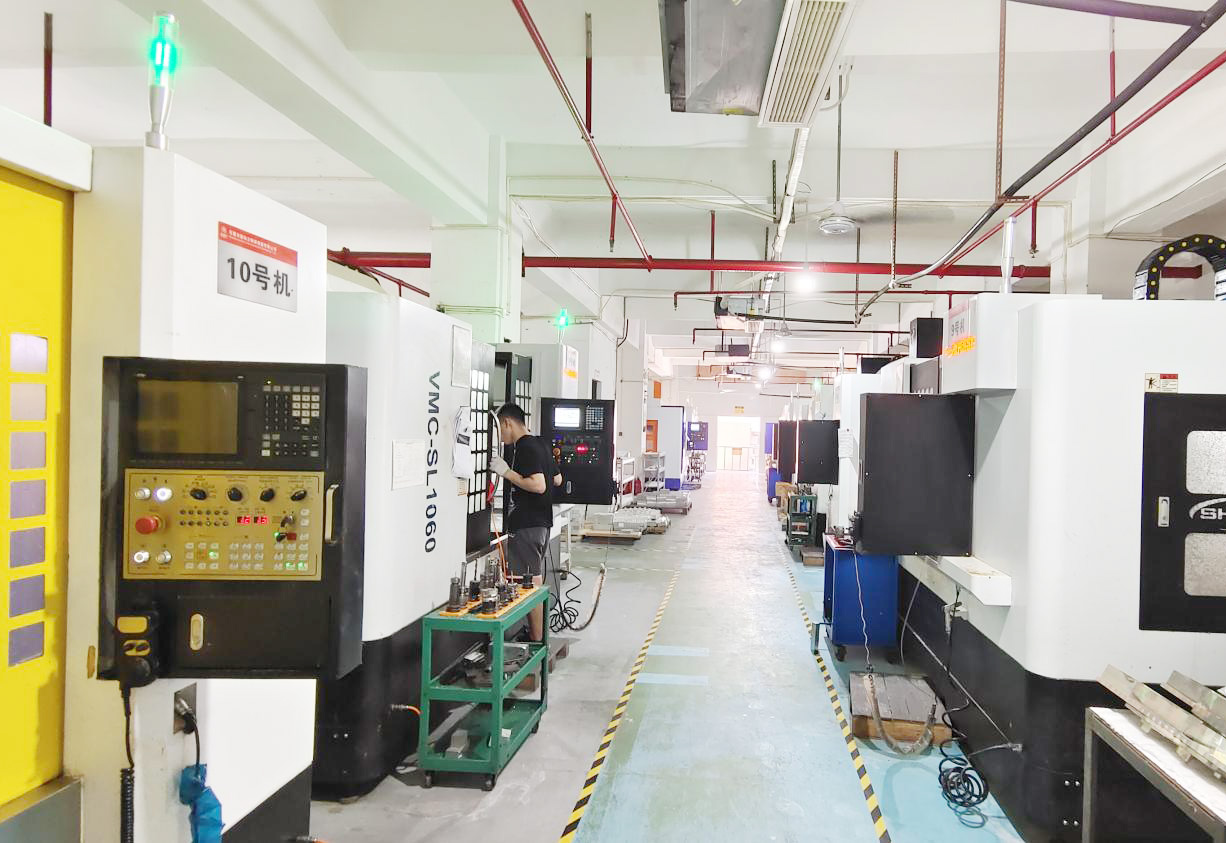
DTSANSE digital CNC Machining factory offers comprehensive and efficient CNC solutions, supported by our professional team of engineers with 10+ years of experiences. We ship out 80,000+ machined parts each month. We enable our customers to manufacture their desired parts fast with competitive price and with excellent quality & strict quality inspection
Materials
Selective Laser Sintering (SLS) is an additive manufacturing process that belongs to the powder bed fusion family. In SLS 3D printing, a laser selectively sinters the particles of a polymer powder, fusing them together and building a part, layer by layer. The materials used in SLS are thermoplastic polymers that come in a granular form.
Overall, SLS is a versatile solution, especially if you want to hold off on injection molding and its exorbitant startup costs. It's definitely more cost-efficient for producing high-quality components in reasonable amounts (fewer than 1,000 units) to test how well your product or technology fares before making expensive molds and tools.
Our SLS 3D printing service is used for both prototyping with functional polymer components and for small to medium production runs or end-use parts. To find out more about how DTSANSE gets the most out of SLS, you can speak with an engineer by contacting dtsanse@outlook.com.